
Construction permits down 15% — supply squeeze expected to worsen by Q3
Building permit applications fell 15% in Q1 2026. With fewer than 35,000 new units projected through 2027, Vienna's supply squeeze is set to intensify.
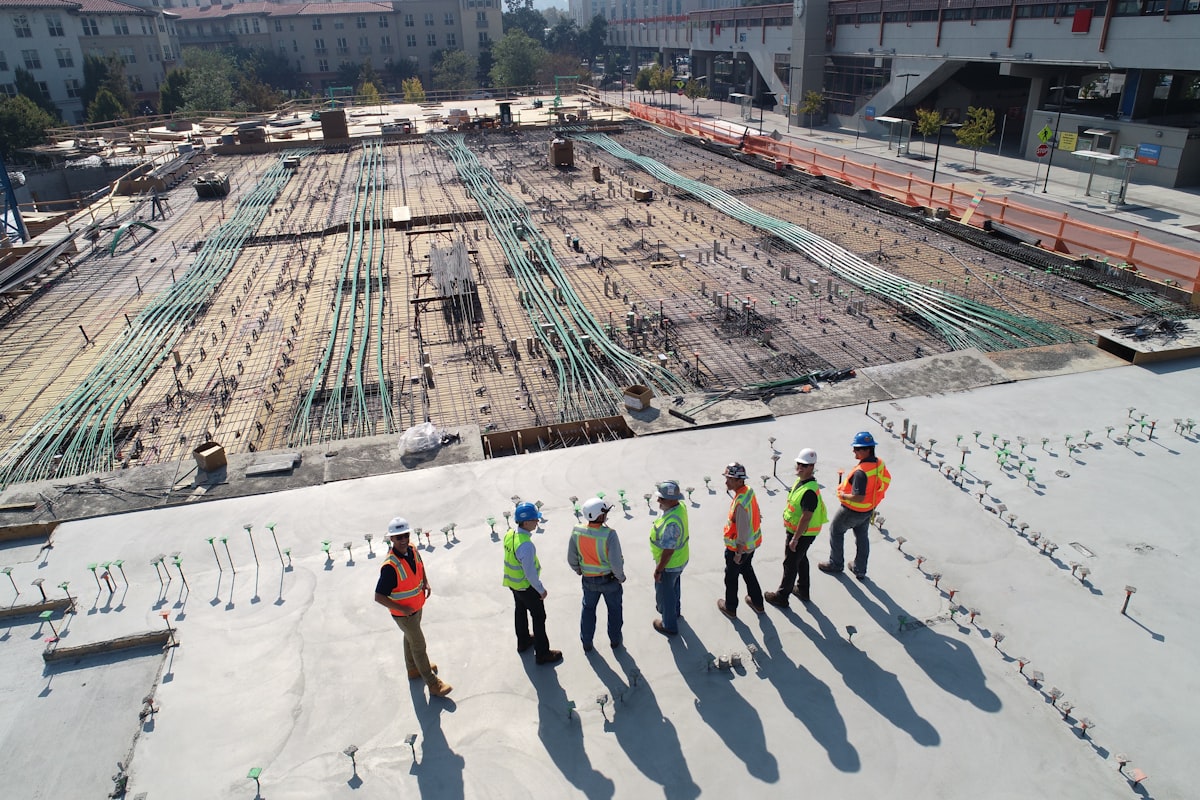
Building permit applications in Vienna fell 15% year-over-year in Q1 2026 — a continuation of the declining trend that began in late 2024. The drop signals a tightening supply pipeline that industry analysts expect to push prices higher through the second half of the year.
The numbers in context: fewer than 35,000 new residential units are projected to be delivered across all of Austria through 2027. In Vienna specifically, where population growth and immigration drive steady housing demand, the gap between new supply and new demand is widening.
Why are permits declining? The causes are structural, not cyclical. Construction costs rose approximately 25% between 2022 and 2025, driven by material prices, labor shortages, and new energy efficiency requirements. The EU's revised EPBD directive adds another 8–12% in compliance costs. For many developers, the math no longer works at current sale prices.
The financing environment has improved — mortgage rates below 3% help end buyers — but developer financing remains challenging. Banks have tightened lending criteria for speculative development, requiring higher pre-sale rates before releasing construction loans. This creates a catch-22: developers need pre-sales to get financing, but buyers want to see construction progress before committing.
The geographic distribution of the permit decline is uneven. Outer districts like Donaustadt and Liesing — where most new development occurs — saw the steepest drops (18–22%), while inner-city districts were largely unaffected because they had minimal new development to begin with.
ECB holds rates at 2% as Austria's rent cap squeezes landlords — what it means for Vienna buyers
For property prices, the supply squeeze has a straightforward implication: less new supply with stable-to-growing demand means upward price pressure. The METROX data already reflects this dynamic — districts with the lowest new construction activity tend to have the highest demand indices.
Existing property owners benefit from the supply constraints. Resale properties face less competition from new builds, supporting both prices and rental rates. The average days-on-market metric has dropped from 65 to 54 over the past year, reflecting faster absorption in a supply-constrained environment.
The rental market feels the impact acutely. With fewer new rental units entering the market, asking rents continue to climb — up 2.8% quarter-over-quarter to approximately €14.20/m²/month. Tenant competition is intensifying, particularly for family-sized apartments (80–100m²) in districts with good schools and transport.
Looking ahead, industry sources project the permit decline to bottom out in Q3 2026 as developers adjust pricing models to reflect the new cost reality. But even with a recovery in permit activity, the lag between approval and delivery means new supply won't meaningfully increase until 2028 at the earliest.
Disclaimer: This article is for informational purposes only and does not constitute investment advice. All figures are based on publicly available data and METROX estimates.
Penthouse market analysis: luxury segment outperforms by 12% in March
Next →Co-living spaces see 40% demand increase among young professionals
Related Stories

ECB holds rates at 2% as Austria's rent cap squeezes landlords — what it means for Vienna buyers
METROX Research

Vienna apartment prices climb 3.2% in Q1 2026 — where the market is heading next
METROX Research

Best districts to buy property in Vienna in 2026 — a data-driven guide
METROX Research

Vienna real estate demand index — how METROX tracks the market in real time
METROX Research
Stay informed
Weekly market digest — top headlines, index changes, and district alerts.
Built by Lishchuk & AI